
Guides> Google Analytics Guide
Using geographic data to improve advertising campaigns and tailor content in Google Analytics
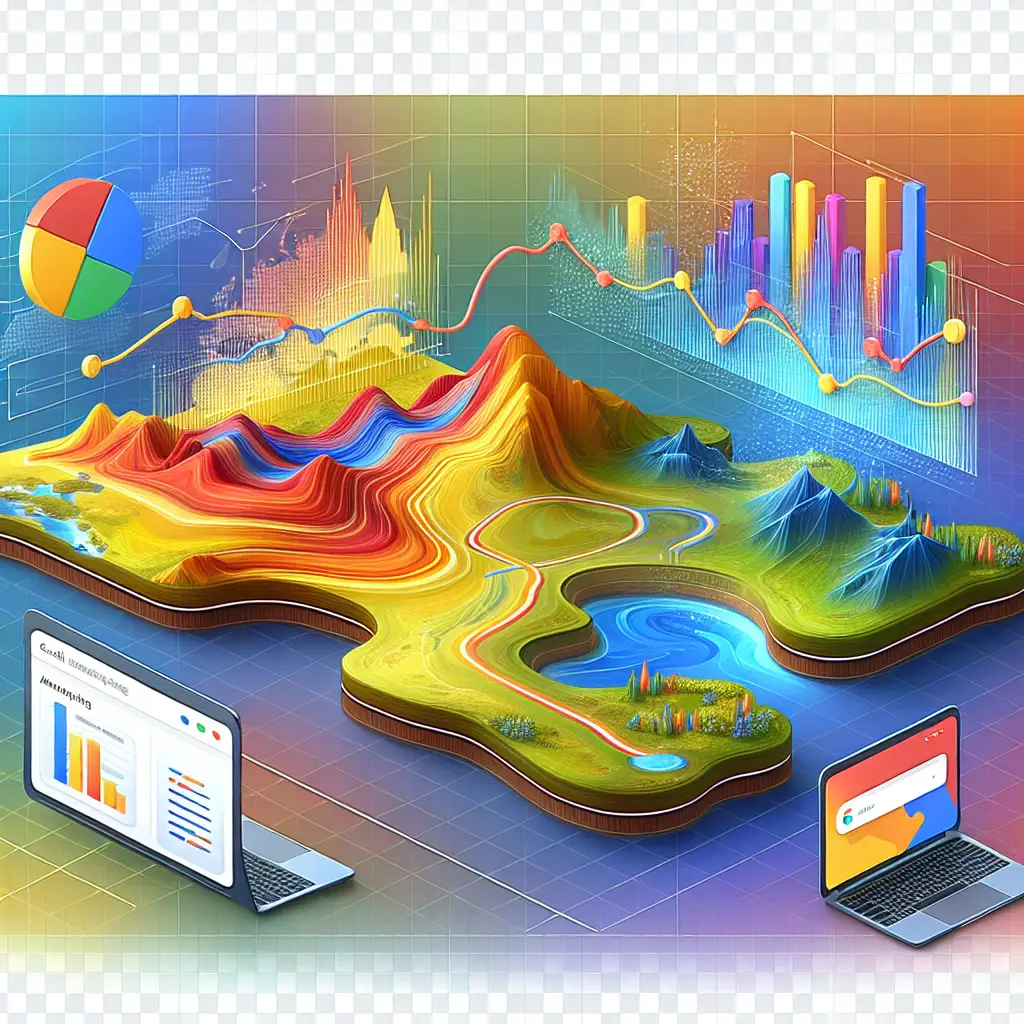
In recent years, thanks to advanced tools like Google Analytics, we have been able to leverage geographic data to better understand our audience and tailor the digital experience for them. Especially with the recent update to GA4, we have reached a point where data analysis has become a key driver in improving advertising campaigns and personalizing content for each visitor.
Geographic data includes information about the geographic location of users, such as country, city, and region. This data is important because it can directly influence your marketing decisions. If you know where your users are coming from, you can tailor your content, promotions, and messages to be more relevant to them.
What is geographic data and why is it important?
Geographic data includes information about the geographic location of users, such as country, city, and region. This data is important because it can directly influence your marketing decisions. If you know where your users are coming from, you can tailor your content, promotions, and messages to be more relevant to them.
[note_box] For example, if you find that most of your users come from Tel Aviv, you might consider adding content that relates to local events or special promotions in that area. [/note_box]
How does GA4 help us analyze geographic data?
Google Analytics 4 was launched with significant innovations in the user interface and analysis tools, allowing marketers and webmasters to better understand their users. One of them is the improvement in the ability to analyze geographic data.
Setting up custom filters and views
In GA4, you can set up custom filters based on geographic location. This process allows you to analyze how users from different regions behave on your site. For example, you can check if there are different behavior patterns among users in different countries.
User behavior analysis by location
With new features in GA4, you can view demographic and technology data together and see how they influence the actions users take on your site. This provides valuable insights into actual customer behavior based on where they live.
Adapt content and campaigns using geographic data
By deeply understanding geographic data, you can improve your advertising campaigns and create content that speaks directly to your target audience.
Creating targeted content
If you find that your target audience is primarily from a specific geographic region, you can create content specifically targeted to that region. This could include optimizing your site for an additional language or creating special offers that are relevant to local culture and events.
[note_box] Tip: If you notice that a lot of your visitors are coming from abroad, consider adding an additional language option to your site to improve their user experience. [/note_box]
Improving paid advertising results
In GA4, using geographic data, you can set up more targeted pay-per-click (PPC) campaigns. For example, you can target more advertising to areas that generate high revenue for you or to a local audience that you haven’t yet significantly impacted.
How to use data to make informed decisions?
IBM Exploration and Reports in GA4 enable managers to make accurate decisions about where to invest more resources or make changes to content.
Suggest screenshots
-
GA4 Filter Bar: Show highlighted margins from the GA4 User Interface where you can see how to set filters by location.
-
Location Behavior Report: A screen that displays graphs of user behavior by geographic location, including metrics such as time spent on site and bounce rates.
- Surfer data segmentation table: An interactive table that allows you to sort browsing according to various geographic indicators.
By analyzing and comparing geographic data with other metrics, you can make data-driven decisions and implement more effective marketing strategies.
In conclusion
Geographic data has become a key tool in digital marketing with the advancement of Google Analytics 4. By intelligently utilizing this data, online content and advertising can be improved and a more personalized and effective user experience can be created. Dynamic and advanced data research as offered by GA4 allows us to stay up to date with market patterns in real time and make informed decisions that drive better results.
Understanding the impact of location on user behavior
To understand the impact of location on user behavior, it’s important to conduct in-depth data analysis. This analysis can include:
- Comparing user behavior from different regions.
- Identify seasonal or regional trends.
- Understanding the impact of local events on user behavior.
Impact of local events
Local events can have a big impact on user behavior. For example, if there’s a festival in a particular city, users from that area may search for more information about the event, which can lead to an increase in visits to your site.
Examples of local events
- Festivals and cultural events.
- Local holidays.
- Sporting events.
Seasonal trend analysis
Seasonal trends can also influence user behavior. For example, in the summer season, users may be looking for more outdoor activities, while in the winter season, they may be looking for indoor activities.
Using geographic data to improve the customer experience
Improving the customer experience is one of the key goals of any business. By using geographic data, you can improve the customer experience in several ways:
- Adapting the content to the customer’s residential area.
- Offer personalized promotions.
- Improving customer service by understanding local needs.
Adapting the content to the living area
As mentioned earlier, tailoring your content to the customer’s region of residence can improve the relevance of your content. For example, if you offer different services in different regions, it’s important to highlight the services that are relevant to that region.
Offer personalized promotions
Personalized promotions can motivate customers to take action. For example, if you know there’s a special offer in a certain area, you can send emails or text messages to customers in that area.
Improving customer service
By understanding your customers’ local needs, you can improve your customer service. For example, if you know there are transportation issues in certain areas, you can offer solutions like free shipping or additional services.
summary
In conclusion, geographic data is an important tool in digital marketing. By properly analyzing the data, you can improve the customer experience, tailor content and promotions, and improve advertising results. GA4 provides the tools needed to perform in-depth analyses and understand the impact of location on user behavior.